An Era Without Waiting for Human Organs
- How Xenotransplantation Will Change the Boundaries of Life
Organ transplantation is one of the most dramatic life-extending technologies created by modern medicine, yet it has a structural limitation: saving one person requires an organ from someone else. As genetically edited pig hearts and kidneys begin to function in human bodies, medicine is moving from an era of donated organs to one in which organs can be produced as needed. This transformation, however, raises not only the possibility of extending life but also new questions about the instrumental use of animals, the risk of infection, inequality in healthcare, and the boundary between humans and animals.
[Key Message]
* Xenotransplantation could transform organ transplantation from a system dependent on another person’s death into one that designs and supplies organs as needed.
* Gene-editing technology is reducing human immune rejection of pig organs and bringing cross-species transplantation closer to clinical reality.
* Pig organs have begun functioning in human bodies, but long-term organ survival, immune rejection, and infection risks remain critical challenges.
* Using and engineering animals to save human lives requires simultaneous consideration of animal welfare, patient dignity, and public health.
* The true success of xenotransplantation will depend not only on surgical achievement but also on safety, accessibility, affordability, and the equitable distribution of its benefits.
***
Healthcare That Waits for Another Person’s Death
Time does not pass in the same way for everyone in an organ transplant ward. For a patient whose heart or liver function is rapidly deteriorating, each day means a declining chance of survival. Patients who have lost kidney function can remain alive through dialysis, but they must be connected to a machine several times a week to remove waste products from their blood. Dialysis may postpone death, but it does not fully restore a healthy life. Food and fluid intake must be restricted, travel and employment become difficult, and the risks of infection and cardiovascular disease increase.
Organ transplantation gives these patients a new span of time. Replacing a failing organ with a healthy one can free a patient from a life bound to hospitals and machines. The problem is that there are far too few organs available for transplantation. Although medicine has overcome many of the technical challenges of transplant surgery, the physical constraint of organ supply remains.
For organs to be donated by a deceased person, several conditions must be met simultaneously. The donor’s organs must not be severely damaged, while blood type, organ size, immunological characteristics, the distance between donor and recipient, and transportation time must all be considered. Even when a person has agreed to become a donor, not every organ can be used. Depending on their condition, organs from older donors or those who had chronic illnesses such as diabetes or hypertension may not function for long after transplantation.
Transplant surgeons must decide which of these scarce organs to accept. A patient may die while waiting for a perfect organ, yet accepting an organ in poor condition may mean a return to dialysis or the need for another transplant several years later. There is no single correct answer. The quality of the organ, the time the patient has left, the risks of surgery, the order of the waiting list, and the opportunities available to other patients must all be considered together.
The ethics of transplantation has always been an ethics of scarcity. Because the supply is limited, someone must determine who receives a transplant first, and allocating an organ to one person means that someone else must wait longer. Criteria such as medical urgency, expected survival after transplantation, waiting time, age, and overall health are used, but no set of standards can perfectly compare the value of different lives.
A living person may donate a kidney or part of the liver. However, any system that requires a healthy donor to bear the risks of surgery has clear limitations. Donation between relatives and acquaintances can be an expression of love and solidarity, but it may also involve emotional pressure or financial interests. Organ sales are strictly prohibited because once the human body becomes an object of economic exchange, society’s most vulnerable people are likely to be the first to suffer exploitation.
Efforts to address the organ shortage have included promoting a culture of donation, improving the determination of brain death, advancing organ-preservation technologies, and developing paired-exchange programs for living donors. Even so, the gap between demand and supply has not been easy to close. The number of people losing organ function continues to grow because of population aging and the increasing prevalence of diabetes, hypertension, and obesity, while the number of transplantable organs cannot keep pace.
Xenotransplantation attempts to change this structure itself. It goes beyond distributing organs more efficiently and seeks to establish a sustainable supply of transplantable organs from nonhuman animals. If organs of the appropriate size and condition can be made available when needed, patients will no longer have to wait for someone else to die. The organ shortage may not disappear completely, but life-saving decisions would at least become less dependent on the distribution of a scarce resource.
The Failures and Ethical Wounds Left by Primate Experiments
The idea of transplanting organs or tissues from animals into humans did not suddenly appear in recent years. Since the early development of knowledge about blood circulation and surgical techniques, physicians have explored the possibility of using nonhuman creatures as sources of organs and tissues. Experiments included transfusing animal blood into humans and grafting animal skin and tissues. Most of these attempts failed because the immune system was poorly understood at the time.
The greatest barrier in organ transplantation is not surgical technique but the immune system. The human immune system identifies not only bacteria and viruses that enter the body but also cells and tissues that do not belong to it. Even an organ from another human can become a target of attack if the genetic differences are significant. An organ from another species is even more readily recognized as a threat that must be eliminated immediately.
When a pig organ is connected to a human body, antibodies in the recipient’s blood recognize certain sugar molecules on the surface of pig cells. The complement and coagulation systems are then activated in a chain reaction, damaging blood vessels and causing clots and bleeding within the organ. This hyperacute rejection can destroy a transplanted organ within minutes or hours. Even if surgeons connect the blood vessels perfectly and the organ begins to beat or produce urine, it cannot function for long unless this immunological conflict is controlled.
Early researchers looked to primates for a solution because of their genetic proximity to humans. Chimpanzee and baboon organs appeared more similar to human organs than pig organs did, and scientists expected that closely related species would have fewer immunological differences. During the 1960s, several attempts were made to transplant chimpanzee kidneys into humans. Some patients survived longer than those in previous experiments, but the procedures did not develop into reliable treatments.
In 1964, surgeons also attempted to transplant a chimpanzee heart into a human. The transplanted heart was too small to support the patient’s circulation and did not function for long. The failure was not due only to the size of the heart. At the time, neither immunosuppressive technology nor infection-control capabilities were sufficient to manage rejection.
In 1984, the transplantation of a baboon heart into an infant with congenital heart disease, known as the “Baby Fae” case, attracted worldwide attention. The infant survived for approximately three weeks after surgery but could not overcome immune rejection. Some regarded the procedure as a final opportunity given to a desperate patient, while others criticized it as a dangerous experiment conducted on a vulnerable infant without sufficient scientific evidence.
The early history of xenotransplantation revealed how unclear the boundary can be between a heroic medical challenge and a reckless experiment. Offering an experimental operation to a patient with no available treatment can provide hope, but it can also exploit a desperate person in a study with a very high probability of failure. The fact that a patient or family provided consent does not resolve every ethical issue. Society must also ask how autonomous consent can be when no other choice exists, whether the medical team adequately explained the uncertainty, and whether the pursuit of public attention or research achievement distorted judgment.
Using primates as a source of organs also had practical limitations. They reproduce slowly, are expensive to raise, and produce few offspring at a time. Because primates possess advanced intelligence, emotions, and the capacity to suffer, their use also created serious ethical concerns. Their genetic proximity to humans additionally increased the possibility that they might carry infectious diseases capable of crossing into the human population.
The repeated failures that continued through the 1990s weakened optimism about xenotransplantation. Simply obtaining organs from animals most closely related to humans was not enough to overcome the immunological barrier. What was needed was not an animal that resembled humans, but technology capable of modifying an organ so the human body could accept it.
Possibilities Reopened by Cloning and Gene Editing
Xenotransplantation began to attract renewed attention because of changes in the life sciences. The birth of Dolly the sheep in 1996 demonstrated that an animal could be cloned using genetic information from an adult cell. This meant more than producing an animal with the same appearance as another. It opened the way to deliberately producing animals with specific genetic traits.
When cloning is combined with genetic modification, animals can be created specifically to provide organs suitable for transplantation. Researchers first remove genes from pig somatic cells that trigger strong human immune responses or add new genes to them. The nucleus of the modified cell is then transferred into an egg to create an embryo, which is implanted into a surrogate sow. The resulting pig is born with the desired genetic traits. By breeding that pig, researchers can establish a population of organ-source animals with the same characteristics.
The arrival of CRISPR-Cas9 gene-editing technology in 2012 further accelerated this transformation. Earlier technologies required considerable time and expense to modify a single gene, but CRISPR offered the possibility of changing multiple genes more precisely and efficiently. Researchers could eliminate genes that produce molecules on the surface of pig cells immediately recognized by human antibodies, while adding human genes that regulate complement activation, blood coagulation, and inflammation.
Pigs are suitable as organ sources in several respects. Their hearts and kidneys are relatively similar in size to human organs, they grow quickly, and they give birth to multiple offspring at a time. Extensive knowledge of pig breeding and care has also been accumulated through agriculture and veterinary medicine. Compared with primates, pigs are more practical for producing animals with specific genetic traits and raising them in environments where pathogens can be strictly controlled.
Making a pig organ compatible with a human, however, involves more than removing a few genes. Immune rejection occurs in multiple stages. Even if hyperacute rejection immediately after surgery is prevented, vascular damage and inflammation may emerge several days or weeks later. Over the long term, T cells and B cells can cause cellular and antibody-mediated rejection by attacking the transplanted organ. Differences between the porcine and human coagulation systems may also generate microthrombi and damage the organ.
The organ’s physiological functions must also be examined. The kidneys do more than remove waste. They regulate the balance of water and electrolytes and participate in hormonal systems that control blood pressure and red blood cell production. The fact that a pig kidney produces urine inside a human body does not mean that every function is perfectly coordinated with human physiology. Researchers must determine how pig proteins and hormones interact with human receptors, how much an organ continues to grow over time, and whether it can adapt to human body temperature and blood pressure over an extended period.
Pigs raised as organ sources must live in strictly controlled facilities rather than conventional farming environments. The entry of external pathogens must be prevented, while feed, water, air, and staff access must be carefully managed. The animals must also undergo regular infection screening. The health of a single pig can affect not only an individual recipient but also the entire research program and public health.
The story of Martine Rothblatt and United Therapeutics occupies an important place in this development. After Rothblatt’s daughter was diagnosed with a rare lung disease, Rothblatt entered pharmaceutical development and biotechnology management to help save her life. Rothblatt later actively promoted research into pig organs as a solution to the organ shortage. It is a case in which personal desperation expanded into a vast industrial vision involving pharmaceutical development, gene editing, and organ production.
Medical progress often takes place where patients’ desperation, researchers’ determination, corporate capital, and regulatory judgment intersect. Xenotransplantation has not advanced through laboratory discoveries alone. Animal-breeding facilities, gene-editing companies, organ-preservation technologies, immunosuppressive drug development, and the clinical capabilities of transplant centers must all be connected within a single system.
As a result, the pig is no longer merely an organ source that is found. It is becoming an organ platform that is designed. Genes that conflict with the human body are removed, while genes that help the organ cooperate with human immune and coagulation systems are added. The life sciences have begun to treat differences between species not as fixed boundaries established by nature but as problems that can be technologically adjusted.
The Conditions Required for Pig Organs to Survive in the Human Body
For many years, xenotransplantation research remained limited to nonhuman primate experiments. Researchers transplanted pig hearts or kidneys into monkeys to determine how long the organs could function and which combinations of gene edits and immunosuppressive treatments were required. Even when animal experiments produced favorable results, however, there was no certainty that the same outcome would occur in a human body. Separate clinical evidence was needed before the technology could be used in humans.
One turning point was research using the bodies of brain-dead individuals. With family consent, researchers maintained circulation and respiration in brain-dead individuals for a limited period while transplanting genetically modified pig kidneys or hearts. This approach enabled them to observe how pig organs functioned within the human bloodstream and immune system without immediately placing a living patient at risk.
Pig kidney transplant studies beginning in 2021 confirmed that transplanted kidneys could receive human blood and produce urine. The observation period later expanded from several days to several weeks and then to approximately two months. Researchers repeatedly analyzed blood and tissue to determine when rejection began, which immune cells and antibodies were involved, and how the organs responded to immunosuppressive treatment.
Pig heart transplants were also performed. In 2022, a medical team at the University of Maryland transplanted a genetically modified pig heart into a patient with severe heart disease who had almost no other treatment options. The patient survived for approximately two months. The fact that the heart functioned immediately after surgery represented significant progress, but several problems emerged, including organ damage, the possibility of infection, and immune reactions. A transplant performed on a second patient also resulted in survival for only a limited period.
These cases cannot be evaluated using only the two words “success” and “failure.” As the organs did not function for the remainder of the patients’ lives, the procedures had not yet been perfected as treatments. Yet they reached a new stage because pig hearts actually sustained human circulation. Unlike earlier experiments in which the organs stopped functioning almost immediately after surgery, researchers now had time to analyze which problems emerged and when.
In March 2024, a genetically edited pig kidney was transplanted into a living patient for the first time. A pig kidney carrying 69 genomic edits was transplanted into a patient with end-stage kidney disease, and the organ began producing urine immediately after surgery. The patient was discharged from the hospital but died approximately two months later. In the information released at the time, the medical team stated that there was no indication that the death had been caused by the pig kidney itself.
Later that year, another patient received a pig kidney in combination with a mechanical device supporting heart function. The patient’s complex health condition and an infection led to the later removal of the transplanted kidney, and the patient died. At the end of 2024, another patient received a genetically edited pig kidney and remained under extended observation. Several months later, however, a complication associated with an infection caused the organ’s function to decline. The kidney was removed, and dialysis was resumed.
These outcomes demonstrate that xenotransplantation is not yet mature enough to become routine treatment. At the same time, they show that such organs may be capable of functioning within a human body for several months. Early human heart and kidney transplantation also passed through numerous failures and short survival periods before becoming standard treatments. What matters is not portraying failure as progress but determining whether the information obtained from each case can reduce risks for the next patient.
A formal clinical trial differs from individual compassionate-use cases. Compassionate use allows an experimental treatment to be administered exceptionally to a critically ill patient with few or no other treatment options. Because the patients’ conditions and treatment circumstances vary, the outcomes are difficult to compare directly. A clinical trial, by contrast, selects participants according to predetermined criteria, applies standardized treatment and observation systems, and systematically evaluates safety and effectiveness.
As xenotransplantation enters clinical trials, the questions also change. Researchers must go beyond asking whether a pig kidney can produce urine. They must evaluate how reliably it functions compared with a human kidney or dialysis, which patients are most likely to benefit, whether the side effects of immunosuppressive drugs are manageable, and how the risk of infection can be controlled. Not only the performance of the organ but also the sustainability of the entire treatment system will be tested.
Patient selection is particularly sensitive. Patients in extremely poor health may be unable to withstand surgery and immunosuppressive treatment. Conversely, it is difficult to recommend an uncertain pig organ to a patient who has a strong chance of receiving a human organ. Early clinical trials are therefore likely to focus on patients who are not good candidates for conventional transplantation or whose lives are threatened by prolonged waiting.
In this context, a pig organ may serve not as a complete replacement for a human organ but as an intermediate therapy. It could, for example, function as a bridge organ for several months or years while a patient waits for a suitable human organ. It might also provide a period of improved life for patients who suffer greatly from dialysis. If success is not defined exclusively as an organ that functions for a lifetime, the range of potential uses for xenotransplantation becomes broader.
Designing Life to Save Life
The prospect that a pig organ might save a human life immediately raises ethical questions. Pigs are already used extensively in food production and pharmaceutical research. There may be a contradiction in accepting the slaughter of pigs for food while regarding the breeding of pigs for transplantation as uniquely unethical. Some may even argue that using a single organ to save a human life is more justifiable than producing meat.
The issue of organ-source pigs, however, cannot be judged simply by the number of animals slaughtered. These animals are genetically designed to provide organs compatible with humans and are born and raised in facilities isolated from the outside world. Their natural behavior and social contact may be restricted to prevent infection. The animals’ suffering, stress, living conditions, and treatment during experiments must therefore be evaluated separately.
Whether gene editing itself should be regarded as a violation of life is also a matter of debate. Humans have altered the size, temperament, and productivity of livestock through selective breeding for centuries. Gene editing can be interpreted as a technology that makes this process much faster and more precise. Others, however, view the design of animal genomes for the production of human replacement organs as a qualitatively different stage from conventional animal husbandry.
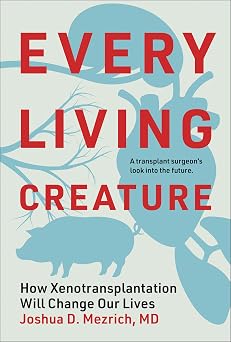
The perspective of “every living creature” requires ethical consideration that does not place human life alone at the center. The suffering and deaths of patients awaiting transplants must unquestionably be reduced, but the lives of the animals used for this purpose cannot be excluded from moral consideration. The value of the two forms of life does not need to be simplified as identical, but the desperation of one side cannot automatically justify every action imposed on the other.
The core of ethical oversight concerns not only whether animals are used but also how they are used. The number of organ-source animals should be minimized, unnecessary experiments reduced, pain and fear managed, and sufficient space and stimulation provided. Researchers must also determine whether gene editing produces unexpected diseases or disabilities in the animals. Breeding standards designed for patient safety and standards designed for animal welfare must be developed together.
Religious and cultural differences must also be considered. In traditions that regard pigs as unclean or prohibit their consumption, pig organ transplantation may create a particular conflict. Many religious traditions, however, distinguish the medical use of pig-derived materials to save a life from the consumption of pork. What matters is that healthcare professionals do not make assumptions about a patient’s religious beliefs. Instead, they should fully explain the organ’s origin, how it was produced, and the available alternative treatments, allowing the patient to make an informed decision.
Patients may also experience stigma or psychological confusion because they received a pig organ. The medical explanation that an organ does not determine a person’s identity does not necessarily eliminate emotional distress. The heart has long symbolized emotion and the soul, and knowing that an organ from another species exists inside one’s body may create anxiety or a sense of alienation for some patients. Psychological counseling and social support before and after surgery must therefore be considered part of the treatment.
An even more complex concern is the risk of infection. Pigs may harbor pathogens that cause no disease in pigs but have unpredictable effects when introduced into humans. Porcine endogenous retroviruses embedded in the pig genome are particularly difficult to eliminate through conventional screening alone. Their sequences can be inactivated through gene editing, and pigs can be raised in pathogen-controlled environments, but the risk cannot be declared zero.
An infection associated with xenotransplantation may not remain an individual patient’s problem. If a new pathogen becomes transmissible among humans, it could affect family members, healthcare workers, and the wider community. Recipients may therefore need regular testing for an extended period or throughout their lives. Blood and tissue samples may need to be preserved, and recipients may be obligated to report any suspicious infection immediately.
These conditions create tension between patient autonomy and public health. A patient who receives conventional treatment is free to discontinue follow-up after treatment ends. If discontinuing follow-up after xenotransplantation could create a social risk, however, healthcare institutions and governments may require stricter surveillance. The patient’s privacy, freedom of movement, and the testing of family members must all be discussed.
The scope of consent may extend beyond the individual patient. Family members living with the recipient may need to participate in infection surveillance and observe particular safety measures. An autopsy or tissue analysis may be requested after the recipient’s death. Agreeing to the operation therefore means more than receiving an organ. It may mean entering a long-term biological surveillance system. If these burdens are not fully explained, an informed-consent form becomes little more than a procedural document.
Healthcare After the Organ Shortage and a New Bioethics
If xenotransplantation becomes a reliable treatment, the first major change will be the timetable of transplantation. Today, transplant surgery often takes place unexpectedly when a donor becomes available. Medical teams evaluate organs in the middle of the night, and patients must travel to the hospital immediately after receiving a call. Because organs cannot be preserved outside the body for long, surgical schedules are determined by the circumstances of donation.
If pig organs can be supplied according to plan, transplantation could change from an emergency allocation system into a scheduled treatment. A patient’s health could be stabilized in advance, medical teams and operating rooms prepared, and surgery conducted at the optimal time. Outcomes may improve if infections and nutritional conditions are managed before surgery. It may also become possible to select organs with sizes and genetic characteristics suited to particular patients.
Standards of organ quality could change as well. Human donor organs currently vary according to the donor’s age, medical conditions, and cause of death. By contrast, organs from young and healthy pigs raised in controlled environments could be produced with relatively consistent quality. If particular combinations of gene edits, breeding conditions, and preservation methods become standardized, a quality-control system similar to those used for pharmaceuticals and medical devices may emerge.
A plentiful organ supply, however, would not automatically create equitable treatment. Producing genetically edited pigs, raising them in pathogen-free facilities, testing the organs, and transporting them would require enormous expense. If companies holding relevant patents and major medical institutions dominate the supply chain, pig organs could become a new category of expensive biological products. The organ shortage might ease while inequality based on the ability to pay grows.
The question of who owns an organ is also important. An organ from a pig born on a farm would not be an ordinary agricultural product but a highly engineered biological product. If gene-editing technologies, breeding methods, infection screening, and immunosuppressive treatments are protected by corporate intellectual property rights, the patient would not merely receive a single operation. The patient could become dependent for years on a particular company’s organs, medicines, and testing system.
Methods of pricing, insurance coverage, and the conditions attached to publicly funded research must be discussed from the early stages of clinical trials. Knowledge accumulated through public funding and patient participation should not be transformed solely into the exclusive property of a small number of companies. Society must also determine how the principles that have protected scarce human organs from market trading should apply to engineered animal organs.
Predictions that xenotransplantation will replace human organ donation should also be approached cautiously. Human organs are likely to remain the superior option until pig organs are sufficiently safe and capable of functioning for long periods. The two systems will probably operate together for a considerable time. Standards will be needed to determine whether a patient who first receives a pig organ can later join the waiting list for a human organ and how the initial surgery and immune response may affect retransplantation.
If the organ supply increases, the range of patients eligible for transplantation may broaden. Because organs are currently scarce, age, coexisting conditions, and expected survival after transplantation are assessed strictly. If supply constraints ease, older people and patients previously considered unsuitable for transplantation may also gain opportunities. This could make healthcare more inclusive, but it would also require new decisions about how far treatment should be expanded.
The fact that life can be extended is not the same as treatment providing a good life. If repeated surgery, powerful immunosuppression, infection surveillance, and prolonged hospitalization severely restrict a patient’s life, treatment effectiveness cannot be evaluated by survival time alone. Quality of life, caregiving burdens, the experiences of family members, and the goals that matter to the patient must all be considered.
There is also a risk that a plentiful organ supply could weaken the emphasis on prevention. The belief that a damaged kidney can simply be replaced should not become a reason to reduce investment in the management of diabetes and hypertension, healthy diets, and the prevention of chronic disease. Transplantation replaces a damaged organ, but it does not treat the social conditions that produced the disease. If poverty, working conditions, access to healthcare, and the food system remain unchanged, the new organ may be exposed to the same risks.
Xenotransplantation will also influence regenerative medicine and artificial-organ technologies. Techniques for growing human organs from stem cells, three-dimensional bioprinting, mechanical artificial hearts, and organ preservation and regeneration are advancing in parallel and in competition. Even if pig organs produce clinical results first, there is no guarantee that they will become the final answer. Future organ-replacement treatment may involve animal organs, artificial organs, and tissues created from a patient’s own cells serving different roles.
If research progresses toward growing organs made of human cells inside pigs, the boundary will become even more complicated. Society will need to determine how much human cellular material is required before an organ can be considered human and how to control the possibility that human cells might enter an animal’s brain or reproductive cells. An organ may no longer belong clearly to either a human or an animal but instead become an entity created through the combination of multiple life technologies.
Medicine has long transformed death from an unavoidable fate into an event that can sometimes be managed. Antibiotics, vaccines, dialysis, ventilators, and organ transplantation have turned conditions once leading directly to death into treatable problems. Xenotransplantation adds a new stage to that development. Instead of receiving donated organs, medicine is attempting to design and produce them according to need.
The fact that a technology makes a choice possible does not mean that every possible choice should be carried out. Social deliberation is necessary between what can be done and what should be done. Patients and families accepting the risks, medical teams performing the operations, companies producing the organs, citizens concerned about animal welfare, and public authorities managing infection risks must all participate in that discussion.
The most fundamental question posed by xenotransplantation is not limited to how long a pig organ can survive inside a human body. It asks how far humans may claim the right to design other forms of life in order to save themselves, who will share the benefits and risks of the technology, and how the possibility of extended survival will change the value of life.
The longstanding structure of organ transplantation, in which one person could live only after someone else died, has begun to change. When a pig heart beats inside a human chest and a pig kidney filters human blood, the boundary between species is no longer an abstract philosophical matter. It becomes a practical standard that must be determined every day in operating rooms, hospital wards, animal-breeding facilities, corporate laboratories, and regulatory agencies.
A future in which no one dies while waiting for an organ is unquestionably worth pursuing. That future, however, must not be created in a way that extends human life while rendering other forms of life invisible. The true achievement of xenotransplantation will not be completed by the surgical success of connecting a pig organ to a human body. It will deserve to be called a life-saving technology only when patient safety and dignity, animal welfare, public health, and equitable access to healthcare can all be protected within a single system.

.jpg)
.jpg)
.jpg)